Applying a flame rod in a Combustion System to detect the flame is also known as Flame Rectification. A Flame Rectification system uses two electrodes. These electrodes include the flame rod electrode and the ground electrode. The ground electrode is always designed to be much larger than the flame rod electrode. For effective operation, the area of the ground electrode must be 4 times that of the flame rod electrode. Usually, the ground rod electrode will be the burner head. Because of the difference in the electrode size, more current flows in one direction than the other when an AC voltage is applied to the Flame Rod Electrode. When the flame rod is positive, more current flows. When the flame rod is negative, less current flows.
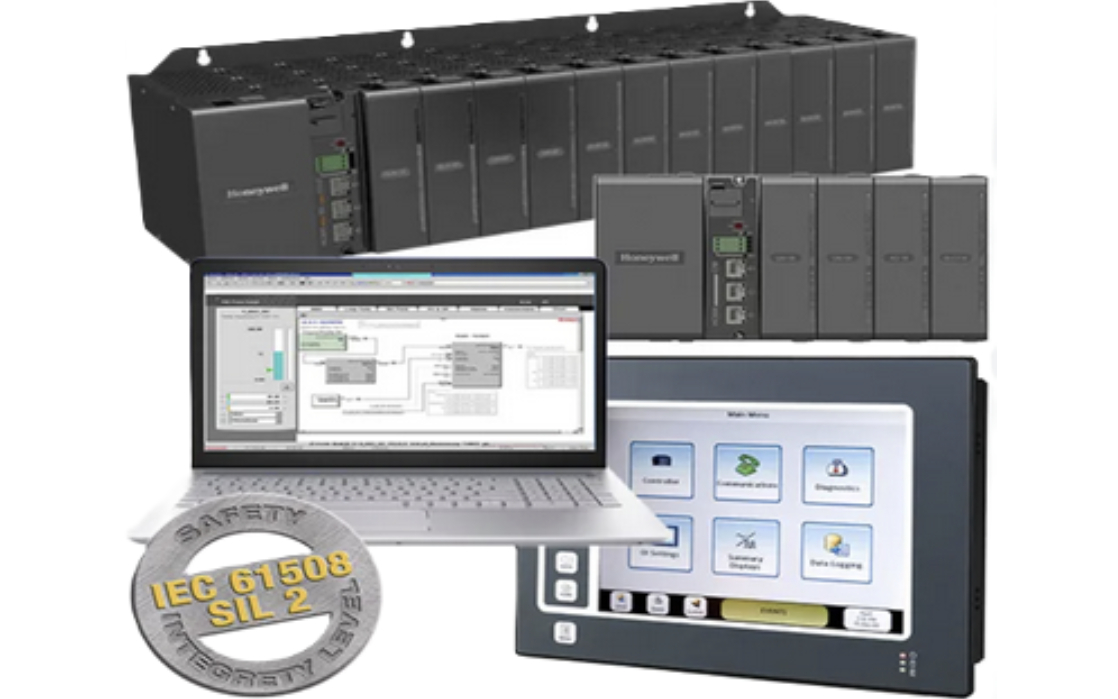
With the current in one direction so much larger than the current in the other direction, the result current is, a pulsating direct current which operates the Honeywell RM7800 Series Flame Relay or other manufactures flame relay device. The RM7800 Series pulls in, indicating a presence of flame allowing the burner sequence to continue. The larger the ratio of ground are to the flame electrode area, the greater the current flow of current in the proper direction.
The flame curtain or flame ionization which occurs around the flame carries the current to ground completing the circuit. Should the flame rod cause a dead short to ground an AC signal will be sent to the flame relay causing the system to shut down. The rectification system does recognize the difference between a high resistance leakage to ground and the Prescence of flame.
The Requirements Which Must Be Met When Connecting A Flame Rod To A Honeywell Rm7800 Series Or Other Manufacture Is The Following:
- Stable Flame – The flame to be proven must be stable and in continuous contact with the flame grounding area.
- Adequate Ground Area.
- Flame Rod properly located in Flame Envelope. The location should intersect the flame from the side. Never locate the flame rod above the flame as it could detect a week flame.
- Proper Flame Amplifier- RM7800 Series flame amplifier will be green indicating flame rectification.
Preventive maintenance is a must for Flame Rod applications. You will want to periodically clean the flame rod from soot buildup. When soot builds up on the flame rod it has the potential for changing the ground ratio causing your flame signal to drop on the Honeywell RM7800 Series Flame Relay. If the signal drops below 1.25V for 3 seconds this will cause a lock-out condition. Also inspect the ceramic holder at the base of the flame rod for cracks. These cracks in the ceramic can cause current to leak to ground causing a lock-out condition as well. These ceramic pieces are good to about 500 Degrees F on most flame rods.
For more information on Honeywell RM7800 Series or for general training on Combustion Safety Systems please visit our web site at https://www.loy-instrument.com/
Jeff Burger
VP Sales and Marketing