Loy Instrument, Inc. Gas Detection Solutions
The toxic and combustible gases in boiler rooms are potentially dangerous and can undermine safety if leaks occur. Eliminate the guesswork with Honeywell Analytics’ complete mechanical room solution. A building’s mechanical room is the hub of its heating, ventilation and air conditioning (HVAC) system. This can include central utility plants, boiler and chiller rooms, mechanical and electrical rooms and fuel rooms. The equipment within these rooms have the potential to leak harmful combustible or toxic gases, including costly and environmentally harmful refrigerant gases.
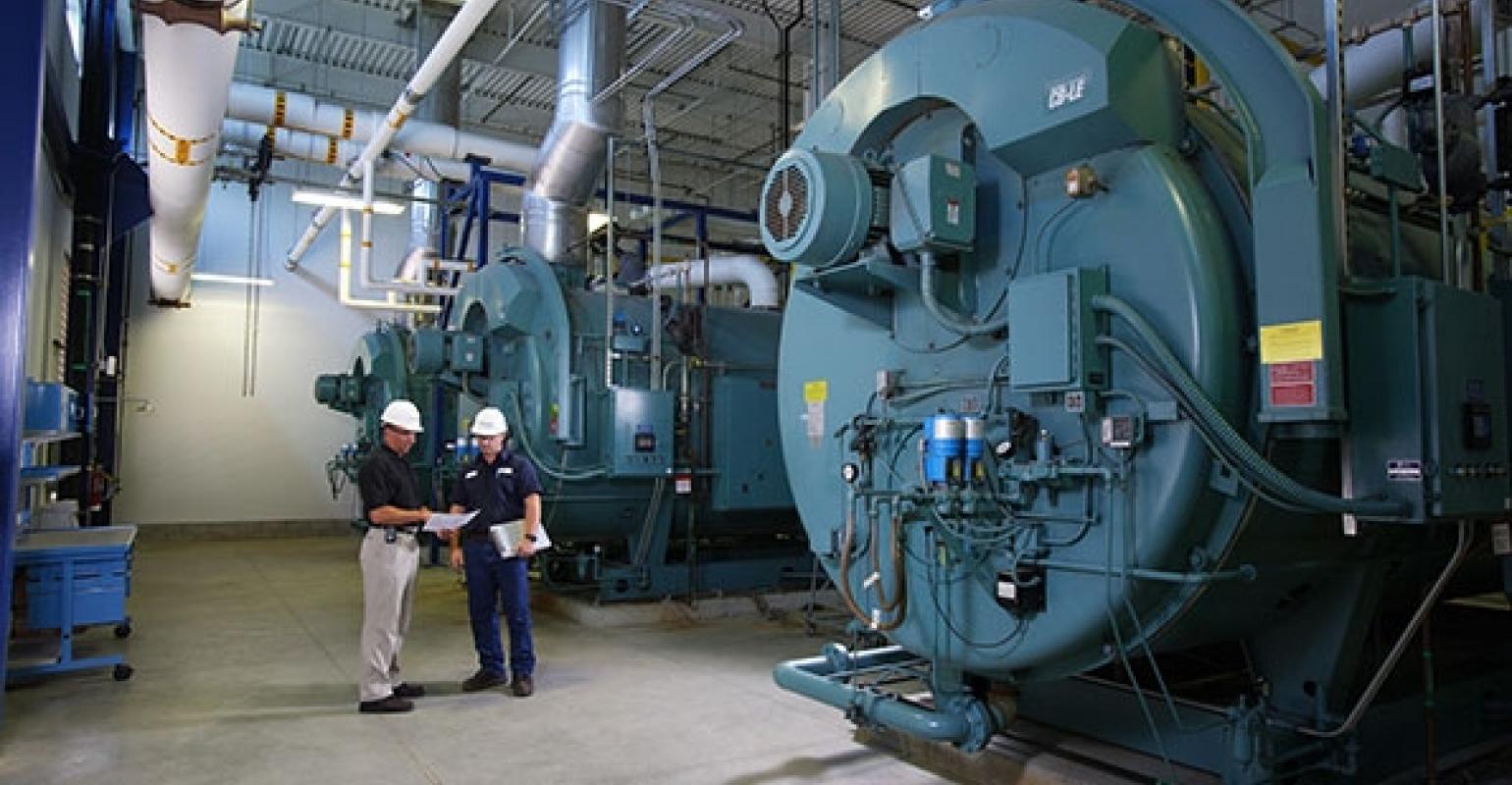
Boiler Room Monitoring
Monitor your mechanical room’s boiler equipment to ensure an adequate supply of combustion air and to help reduce the build-up of a flammable gas concentration.
Boilers Standard Installation
Working as a stand-alone system or networkable to your existing equipment, compliance couldn’t be more reliable.
Step 1: Ventilation
Step 2: Detection System
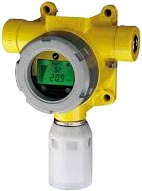
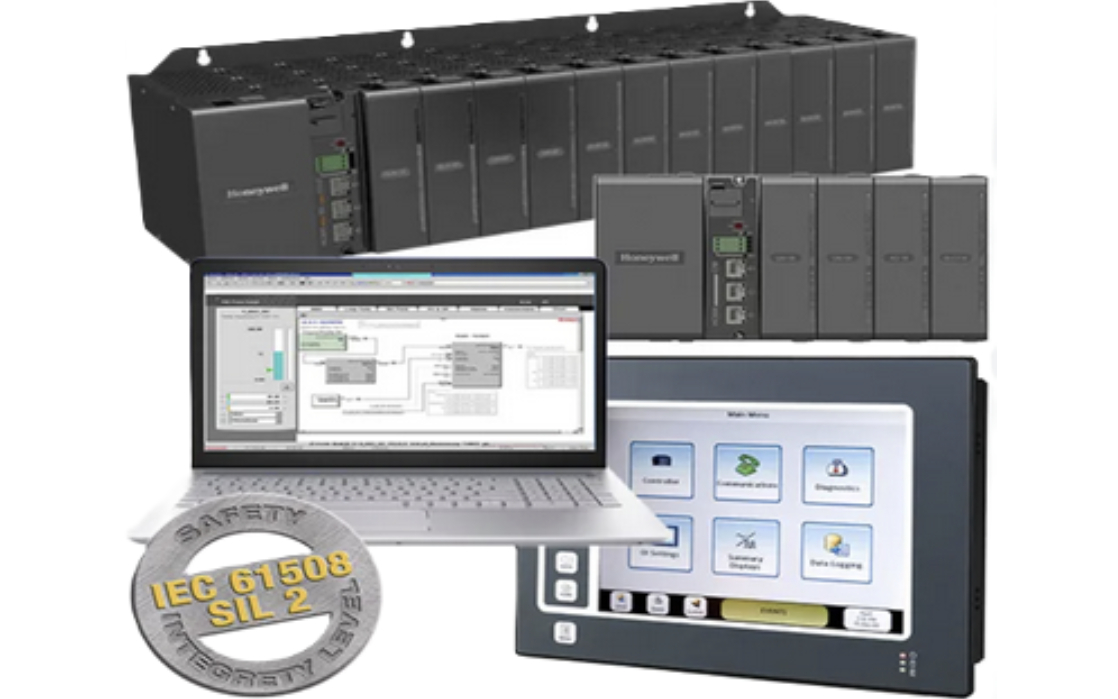
A gas detection system consists of a number of strategically located sensors hard wired to a control panel. Upon the detection of gas, alarm relay contacts within the control panel are used to activate audible and visual alarms. Should the gas concentration reach a higher level, a second set of contacts are used to remove the power to an electrically operated solenoid valve fitted to the gas supply line. Another option is to use gas sensors that provide an output suitable for direct interface to a Building Management System (BMS). The BMS then cuts the gas supply and switches off any potential ignition sources.
Step 3: Gas Sensors
Catalytic Bead Sensors are less prone to false alarms than Solid State or Semi-Conductor sensors, which are affected by changes in ambient temperature and humidity. The best catalytic bead detectors are ‘poison resistant’ which offer a longer operational life, typically 3-5 years or more.
Gas fired boiler rooms are usually designated as a ‘safe area’ (i.e., not requiring hazardous area certified equipment). However, it is considered good practice to use certified gas sensors to remove the possibility of the sensor being the source of ignition. This permits the operation of the gas sensors when all other potential ignition sources have been switched off at the second or higher alarm level. Honeywell Analytics produces gas sensors certified to the latest Class I, Div. 1 or applicable regulations.
Step 4: Location of Gas Sensors
Natural gas is lighter than air; therefore, gas sensors should be located over potential leak areas. These include:
- The gas burner assembly
- The gas train assembly
- The pressure boosters (if fitted)
- The gas shutoff valve
- The combustion air intake
- The gas meter
On a small gas boiler installation a number of these points may be close together requiring a single point of detection. On installations using large shell type boilers (as in hospitals, factories or large blocks of flats), it may be necessary to install one detector over each of these areas.
Consideration must be paid to mechanical ventilation and its likely effect upon the path of leaking gas when locating a gas sensor. For installations using Liquefied Petroleum Gas (LPG), which is heavier than air, gas sensors would need to be mounted near to the floor or in pipe and cable ducts.
Step 5: Location of Control Equipment
Most gas detection control panels are not certified for use in hazardous areas and should be mounted away from the gas installation, ideally outside the boiler room to ensure gas readings can be checked prior to entry.
Control panels are available in a number of mechanical configurations for ease of application, these include:
- Din rail mounting for inclusion within other plant control panels
- All mounting
- Rack Mounting
An alternative power supply in the event of power failure is also good practice and battery back-up systems are also available.
References:
EN50073:1999 Guide for selection, installation, use and maintenance of apparatus for the detection and measurement of combustible gases or oxygen.
BS EN61779-1:2000 electrical apparatus for the detection and measurement of flammable gases – Part 1: General requirements and test methods.
EN60079 Series, Electrical Apparatus for use in explosive atmosphere