What Is Combustion?
Combustion is the heart of any industrial furnace. Whether it’s used for heat treating metals, melting glass, or firing ceramics, a furnace’s efficiency, safety, and output quality all hinge on how well combustion is managed. This blog introduces the fundamental principles of combustion as applied to industrial furnaces.
Combustion is a chemical reaction between a fuel and an oxidizer (typically air or oxygen), resulting in the release of heat and light. In industrial settings, fuels like natural gas, propane, oil, or hydrogen are common. The reaction can be summarized as:
Fuel + Oxygen → Heat + CO₂ + H₂O (+ Other Byproducts)
The heat generated is then transferred to the product or process inside the furnace.
Key Components of Combustion Systems
- Fuel Supply: Fuels must be delivered at the correct pressure, temperature, and flow rate. Any variation can affect flame stability and efficiency.
- Air Supply (Combustion Air): Proper air-fuel ratio is critical. Too much air leads to energy loss; too little air causes incomplete combustion and potential safety hazards.
- Burners: Burners mix air and fuel and initiate combustion. Modern burners are engineered for low NOx emissions, high efficiency, and flame stability.
- Ignition System: Most industrial furnaces use electric spark ignition or pilot flames to safely light the burner.
- Controls and Sensors: Instruments monitor temperature, pressure, flame presence, oxygen content, and emissions. Feedback from these sensors allows the control system to maintain safe and efficient operation.
Types of Combustion in Furnaces
- Stoichiometric Combustion: Perfect ratio of air and fuel. Rare in practice due to safety and control limitations.
- Excess Air Combustion: Slightly more air than needed; safer and ensures full combustion but may waste energy.
- Fuel-Rich Combustion: Less air than required; sometimes used in specific heat treatment processes for atmosphere control (e.g., carburizing).
Combustion Efficiency and Emissions
Efficiency depends on:
- Proper air-fuel mixing
- Flame stability
- Heat transfer mechanisms (convection, conduction, radiation)
- Minimizing flue losses (hot gases escaping the stack)
Safety Considerations
Combustion systems must be equipped with safeguards:
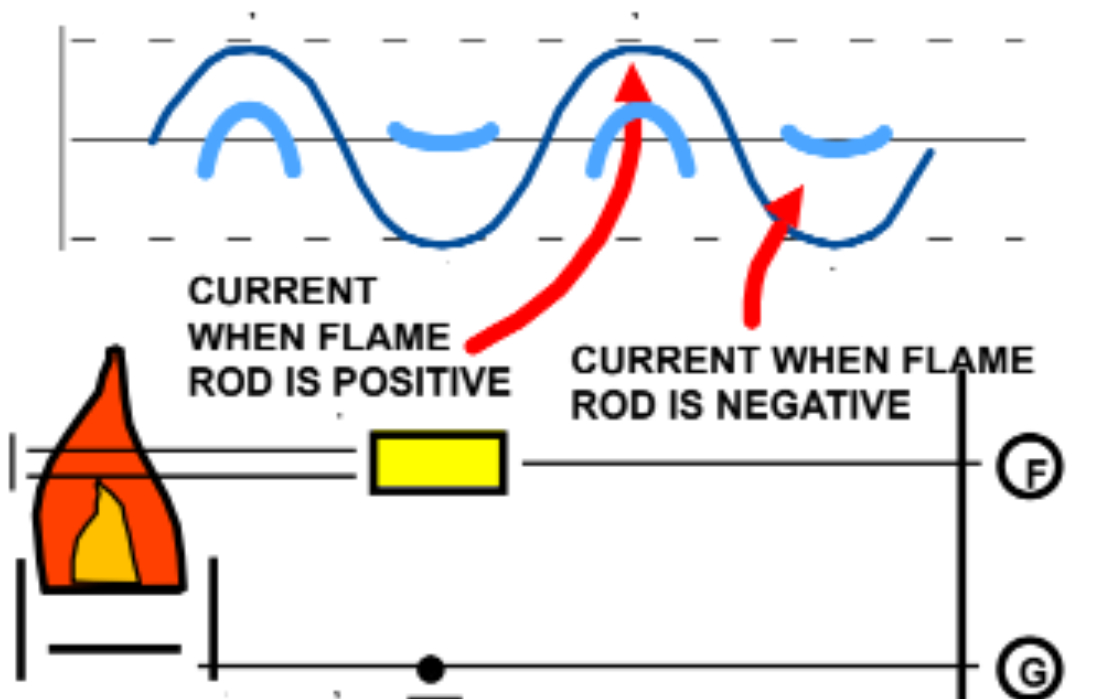
- Flame supervision (e.g., UV or IR sensors)
- Purge cycles before ignition
- Explosion-proof components where needed
- Interlocks for gas pressure, airflow, and temperature
Conclusion
Understanding the combustion fundamentals helps operators, engineers, and maintenance teams optimize furnace performance, reduce costs, and improve safety. As industries evolve toward more sustainable operations, advanced combustion systems—incorporating digital controls, oxygen trim systems, and alternative fuels—are becoming essential tools for competitive manufacturing.